Introduction
Traveling for the first time is an exciting milestone, but it can also feel overwhelming, especially when you’re trying to stick to a budget. The good news? You don’t need a huge bank account to explore the world. With the right planning, smart decisions, and a few insider tricks, you can enjoy memorable trips without overspending.
In this comprehensive guide, you’ll discover practical and detailed budget travel tips for first-time travellers, including how to save on flights, accommodation, food, and activities, without sacrificing experience.
Why Budget Travel Matters for First-Time Travelers
Traveling on a budget isn’t just about saving money, it’s about traveling smarter. As a first-time traveller, you’re learning how to navigate new environments, manage your finances abroad, and maximize value.
Benefits of budget travel include:
More trips for less money
Reduced financial stress
Increased flexibility
Better cultural immersion
If done right, budget travel can actually lead to richer, more authentic experiences than luxury travel.
1. Plan Early, But Stay Flexible
One of the most effective budget travel tips is to start planning early. Flights and accommodations are usually cheaper when booked in advance. It’s necessary you’re of this before it’s too late.
How to plan smart:
Book flights 6–12 weeks in advance although international trips may require more time
Avoid peak travel seasons like holidays, summer etc
Use flexible dates to find cheaper options
Pro Tip:
Travel mid-week for example: Tuesday or Wednesday for cheaper airfare and fewer crowds.
2. Set a Realistic Travel Budget
Before you book anything, determine how much you can afford to spend. Your travel budget should include:
Flights
Accommodation
Food
Transportation
Activities
Emergency funds
Budgeting Strategy:
Use the 50-30-20 approach:
50% on essentials like flights and lodging
30% on experiences like tours and attractions
20% buffer for unexpected expenses
This helps you avoid overspending while still enjoying your trip.
3. Choose Budget-Friendly Destinations
Not all destinations cost the same. Some countries offer incredible experiences at a fraction of the price.
Affordable destinations for first-time travellers:
Southeast Asia like Thailand, Vietnam and Indonesia
Eastern Europe like Poland, Hungary and Romania
Africa like Morocco, Ghana and Kenya
South America like Colombia and Peru
Why it matters:
Choosing the right destination can cut your total expenses by 50% or more.
4. Hunt for Cheap Flights Like a Pro
Flights are often the biggest expense. Learning how to find cheap airfare is a game-changer.
Tips to save on flights:
Use flight comparison websites
Set price alerts
Book in incognito mode
Consider nearby airports
Travel light to avoid baggage fees
Bonus Tip:
Red-eye and early morning flights are usually cheaper.
5. Choose Budget Accommodation Options
Accommodation doesn’t have to break the bank. There are plenty of affordable options for first-time travellers.
Budget-friendly options:
Hostels; great for meeting people
Guesthouses
Airbnb or short-term rentals
Couchsurfing; free accommodation with locals
What to look for:
Free Wi-Fi
Complimentary breakfast
Good location; near public transport
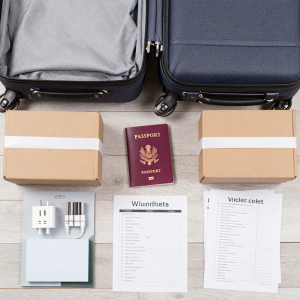
6. Pack Smart and Light
Packing efficiently can save you money and stress.
Why it matters:
Avoid extra baggage fees
Easier mobility
Less risk of lost luggage
Essentials to pack:
Versatile clothing
Travel-size toiletries
Portable charger
Reusable water bottle
Pro Tip:
Stick to a carry-on if possible because it saves time and money.
7. Use Public Transportation
Transportation costs can quickly add up. Instead of taxis or ride-hailing apps, use local transport.
Budget transport options:
Buses
Trains
Metro systems
Shared rides
Benefits:
Much cheaper
Offers a local experience
Often faster in busy cities
8. Eat Like a Local
Food is a big part of travel, but dining at tourist restaurants can be expensive.
How to save on food:
Eat at local markets and street vendors
Avoid restaurants near major attractions
Cook your own meals if possible
Why this works:
Local food is often cheaper, fresher, and more authentic.
9. Take Advantage of Free Activities
You don’t need to spend a lot to enjoy your destination.
Free or low-cost activities:
Walking tours
Museums with free entry days
Beaches and parks
Cultural festivals
Tip:
Search for “free things to do in your destination” before your trip.
10. Travel Insurance Is Non-Negotiable
It may seem like an extra cost, but travel insurance can save you thousands.
What it covers:
Medical emergencies
Trip cancellations
Lost luggage
Why first-timers need it:
Unexpected situations are more common than you think, and expensive without coverage.
11. Use Travel Apps and Tools
Technology can make budget travel much easier.
Useful travel apps:
Google Maps (offline navigation)
Currency converters
Language translation apps
Budget tracking apps
Benefit:
Helps you stay organized and avoid unnecessary expenses.
12. Avoid Tourist Traps
Tourist-heavy areas are usually more expensive.
How to avoid them:
Research local neighbourhoods
Ask locals for recommendations
Explore beyond city centres
Result:
You’ll save money and discover hidden gems.
13. Exchange Money Wisely
Currency exchange can eat into your budget if you’re not careful.
Smart money tips:
Avoid airport exchange counters
Use local ATMs
Compare exchange rates
Pro Tip:
Always choose to pay in local currency when using your card.
14. Travel Slowly
Rushing through destinations increases costs.
Benefits of slow travel:
Lower transportation expenses
Better accommodation deals
Deeper cultural experiences
Strategy:
Stay longer in one place instead of hopping between multiple cities.
15. Learn Basic Local Phrases
Knowing a few local words can go a long way.
Why it helps:
Easier communication
Better deals in markets
More respectful interaction
Examples:
Hello
Thank you
How much?
16. Stay Connected Without Overspending
Roaming charges can be expensive.
Affordable options:
Local SIM cards
eSIM services
Free Wi-Fi hotspots
Tip:
Download maps and important info offline to save data.
17. Be Flexible With Your Itinerary
Rigid plans can lead to unnecessary expenses.
Why flexibility saves money:
Take advantage of last-minute deals
Adjust plans based on weather
Discover unexpected opportunities
18. Track Your Spending Daily
Small expenses add up quickly.
How to stay on budget:
Use a travel expense app
Set daily spending limits
Review expenses each night
Result:
You stay in control of your finances throughout the trip.
19. Travel with a Budget Mindset
Your mindset plays a huge role in how much you spend.
Smart habits:
Prioritize experiences over luxury
Avoid impulse purchases
Focus on value, not just price
20. Learn from Other Travelers
Before your trip, read blogs, watch videos, and join travel forums.
Why this helps:
Avoid common mistakes
Discover insider tips
Build confidence as a first-time traveller
Common Budget Travel Mistakes to Avoid
First-time travellers often make these costly mistakes:
Overpacking and paying baggage fees
Booking last-minute flights
Ignoring travel insurance
Eating only at tourist restaurants
Not tracking expenses
Avoiding these pitfalls can save you hundreds of dollars.
Final Thoughts: Travel Smart, Not Expensive
Budget travel doesn’t mean cutting corners, it means making smarter choices. As a first-time traveller, your goal should be to maximize experiences while minimizing unnecessary costs.
By following these budget travel tips for first-time travellers, you can:
Travel more frequently
Stay financially secure
In Summary
For first-time travellers, budget travel relies on booking flights and accommodation months in advance, traveling during the “shoulder season” like before/after peak times, and prioritizing budget-friendly stays like hostels or guesthouses. Save money by using public transport, eating street food, and utilizing free attractions.
Therefore, enjoy richer and more authentic experiences
Remember, the world is full of opportunities to explore irrespective of your country or continent of origin, you just need the right strategy to make it affordable.