If you’re planning to study abroad, obtaining a study visa is one of the most important steps in your journey. Whether you’re heading to the United Kingdom, Canada, United States, or Australia, understanding the process can significantly improve your chances of approval.
In this comprehensive guide, we’ll break down everything you need to know about study visas—from requirements to application tips—so you can navigate the process with confidence.
What Is a Study Visa?
A study visa (also known as a student visa) is an official document issued by a foreign government that allows international students to live and study in that country for a specific period.
Each country has its own visa type:
UK: Student Visa (formerly Tier 4)
USA: F-1 Visa
Canada: Study Permit
Australia: Subclass 500 Visa
Why a Study Visa Is Important
Without a valid study visa, you cannot legally:
Enroll in a foreign educational institution
Stay in the country for the duration of your program
Work part-time (where permitted)
A study visa also ensures compliance with immigration laws and protects your student status abroad.
General Requirements for a Study Visa
While requirements vary by country, most study visa applications require:
1. Letter of Acceptance
You must have an official admission letter from a recognized university or college.
2. Valid Passport
Your passport should be valid for at least 6 months beyond your intended stay.
3. Proof of Financial Support
You must show that you can cover:
Tuition fees
Living expenses
Travel costs
4. English Language Proficiency
Common tests include:
IELTS
TOEFL
5. Health and Character Requirements
Some countries require:
Medical examinations
Police clearance certificates
Step-by-Step Study Visa Application Process
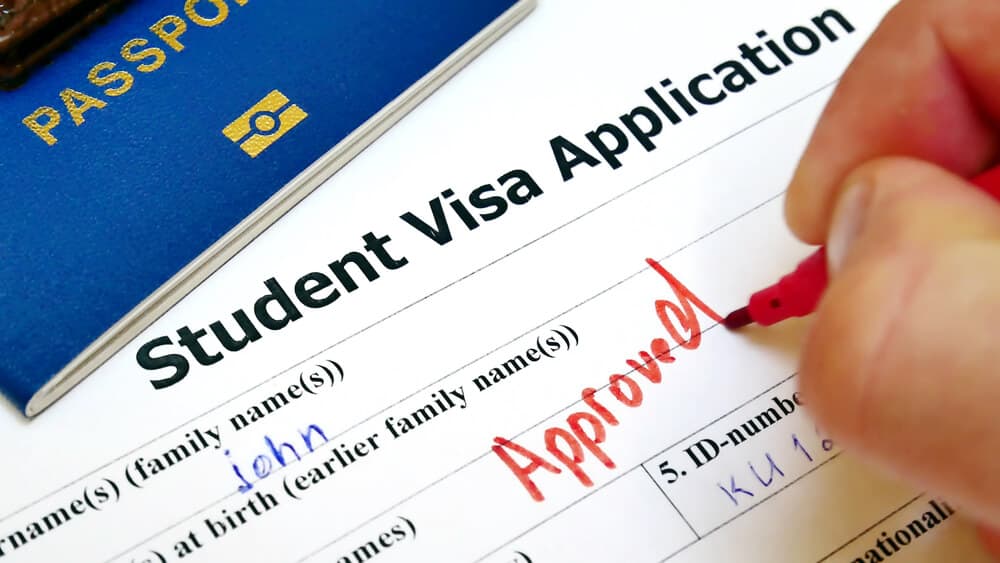
A student visa application involves securing admission from a recognized institution, proving financial stability, submitting a visa application, paying fees, and often attending an interview. Key steps include receiving an acceptance letter, preparing documents, attending biometrics, and demonstrating intent to return home.
Step 1: Acceptance Letter (University Offer): Receive and accept an offer of study from a recognized, SEVP-approved school in the U.S. or equivalent designated learning institution elsewhere.
Step 2: Obtain Visa Documents: Receive necessary documents from the university, such as Form I-20 for the U.S. or a Certificate of Acceptance for Studies (CAS) for the UK.
3: Choose Your Destination and Course: Research universities, courses, and visa requirements specific to your chosen country.
Step 4: Secure Admission: Apply and receive your acceptance letter from a recognized institution.
Step 5: Prepare Required Documents
Gather all necessary documents, including:
Academic transcripts
Financial statements
Passport photos
Step 6: Apply Online or at an Embassy: Most countries allow online applications through official immigration portals.
Step 7: Attend a Visa Interview (If Required): Countries like the United States often require interviews at their embassy.
Step 8: Wait for Processing: Processing times vary from a few weeks to several months.
Top Countries for Study Visas in 2026
For 2026, among the top countries for study visas—balancing quality education, post-study work rights, and application success rates—are Canada, Germany, Australia, the UK, and Ireland. Canada and Australia are preferred for clear immigration pathways, meanwhile Germany is ideal for low-cost, high-quality education.
Leading Study Destinations
Canada: Remains a top choice due to popular post-study work permits (PGWP) and clear permanent residency pathways, though it is increasingly competitive.
Germany: Renowned as a top low-tuition option in Europe, especially for public universities. It offers a streamlined, “blocked account” system for visa approval.
Australia: Offers strong skilled migration pathways and high-quality education, particularly favoured for post-study work rights.
United Kingdom: High-ranking universities with, as shown on Study in the UK, the Graduate Route visa, allowing students to work after graduation.
Ireland: A fast-growing destination, particularly in demand for students in tech and business fields.
United States: Remains the top choice for world-class education, with options like the STEM OPT extension providing extended work opportunities.
List Of Country
United Kingdom
Shorter degree duration
Post-study work visa options
Canada
Affordable tuition
Easy pathway to permanent residency
United States
World-renowned universities
Wide range of programs
🇦🇺 Australia
High quality of life
Work opportunities during study
Common Reasons for Study Visa Rejection
Understanding why visas get denied can help you avoid costly mistakes:
Insufficient financial proof
Incomplete documentation
Lack of strong ties to your home country
Poor interview performance
Tips to Increase Your Study Visa Approval Chances
Apply early to avoid delays
Provide genuine and verifiable documents
Clearly explain your study goals
Show strong intent to return home (if required)
Frequently Asked Questions (FAQs)
How long does it take to get a study visa?
Processing times vary:
UK: 3–6 weeks
Canada: 4–12 weeks
USA: Depends on interview scheduling
Can I work while studying?
Yes, most countries allow part-time work (usually up to 20 hours per week).
Can I bring dependents?
Some countries allow spouses and children under specific visa categories.
Conclusion
Securing a study visa may seem complex, but with the right preparation and guidance, it becomes manageable. Start early, stay organized, and ensure all your documents are accurate and complete.
Studying abroad is a life-changing experience—and your study visa is the key that unlocks that opportunity.