Introduction
Moving to a new country is an exciting milestone, whether for studying, working, or traveling. However, alongside the excitement often comes an unexpected emotional and psychological challenge known as culture shock. From unfamiliar customs and language barriers to different social norms and lifestyles, adapting to a new environment can feel overwhelming.
If you’re currently experiencing confusion, homesickness, or frustration in a new country, you’re not alone. Culture shock is a normal part of the adjustment process, and the good news is that it can be managed effectively.
While dealing with culture shock, it is essential to navigate the transition carefully to avoid prolonging the discomfort.
In this comprehensive guide, we’ll explore what culture shock is, its stages, symptoms, and proven strategies on how to handle culture shock while maintaining your mental and emotional well-being.
What is Culture Shock?
Culture shock refers to the feeling of disorientation and discomfort when someone is exposed to a culture different from their own. It often occurs when moving abroad for education, work, or long-term travel.
This experience can affect anyone, regardless of age, background, or previous travel experience. Even seasoned travellers can face culture shock when exposed to significantly different environments.
Stages of Culture Shock
Understanding the stages of culture shock can help you recognize what you’re going through and respond appropriately.
1. Honeymoon Stage
At this stage, everything feels exciting and new. You are fascinated by the culture, food, language, and environment.
2. Frustration Stage
This is where reality sets in. You may feel irritated by differences, struggle with communication, or feel isolated.
3. Adjustment Stage
Gradually, you begin to adapt. Daily routines become easier, and you start understanding cultural norms.
4. Acceptance Stage
At this point, you feel comfortable in your new environment and can function confidently within the culture.
Common Symptoms of Culture Shock
Recognizing the signs of culture shock is the first step to managing it effectively.
Therefore, you should avoid the following pitfalls:
Isolating Yourself: Do not stay in your room or limit your social circle solely to fellow expats or people from your home country.
Making Quick Judgments: Do not pass harsh judgment on cultural differences. Instead of being critical of new ways of doing things, try to be curious, as this shifts your mindset from negativity to learning.
Forgetting Self-Care: Avoid neglecting your physical and mental health. Not sleeping enough, neglecting exercise, or ignoring symptoms of stress and depression can make everything worse.
Remaining Passive: Avoid waiting for invitations or opportunities to come to you. You must proactively join local clubs, attend events, or volunteer to integrate faster.
Why Culture Shock Happens
Culture shock occurs due to a combination of factors:
Language barriers
Different social norms and values
New educational or work systems
Changes in food and lifestyle
Loss of familiar support systems
Understanding these triggers helps you approach your experience with more patience and self-awareness.
How to Handle Culture Shock Effectively
Managing culture shock requires intentional effort and the right mindset. Here are practical, proven strategies to help you adapt smoothly.
1. Learn About the Culture Before and After Arrival
Preparation is key. Research your host country’s:
Traditions and customs
Social etiquette
Language basics
Food culture
Even after arrival, continue learning. The more you understand the culture, the less intimidating it becomes.
2. Stay Connected With Home (But Don’t Overdo It)
Keeping in touch with family and friends provides emotional support. However, relying too much on home connections can slow your adjustment process.
Balance is important:
Schedule regular calls
Avoid spending all your time online with people back home
Focus on building your new life
3. Build a Support Network
Creating connections in your new environment is one of the most effective ways to handle culture shock.
Make friends with locals and other international students
Join clubs, organizations, or student groups
Attend social events
A strong support system reduces feelings of loneliness and helps you integrate faster.
4. Keep an Open Mind
One of the biggest barriers to adaptation is comparing everything to your home country.
Instead:
Accept differences without judgment
Be curious rather than critical
Understand that “different” doesn’t mean “wrong”
An open mindset makes the transition smoother and more enriching.
5. Establish a Routine
Creating a daily routine gives you a sense of stability and control.
Set regular sleep and meal times
Plan study or work schedules
Include leisure activities
Routine reduces uncertainty and helps you feel grounded in your new environment.
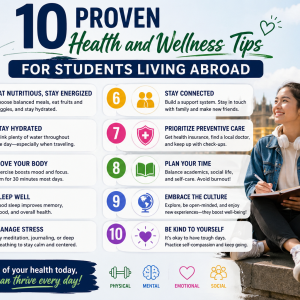
6. Take Care of Your Mental Health
Culture shock can take a toll on your mental well-being.
Prioritize self-care:
Exercise regularly
Eat balanced meals
Practice mindfulness or meditation
Seek professional help if needed
Many universities and workplaces offer counselling services—don’t hesitate to use them.
7. Improve Your Language Skills
Language barriers are a major contributor to culture shock.
Take language classes
Practice speaking daily
Use language apps
Don’t be afraid to make mistakes
The more confident you become in communication, the more comfortable you’ll feel.
8. Explore Your New Environment
Instead of staying indoors, go out and discover your surroundings.
Visit local attractions
Try new foods
Use public transport
Learn the layout of your city
Exploration builds familiarity and reduces feelings of alienation.
9. Stay Positive and Patient
Adjusting to a new culture takes time. There will be ups and downs.
Celebrate small wins
Acknowledge your progress
Avoid being too hard on yourself
Remember, adaptation is a gradual process.
10. Maintain Your Cultural Identity
While adapting to a new culture, it’s important not to lose your own identity.
Cook meals from your home country
Celebrate your traditions
Connect with people from your culture
Balancing both cultures creates a richer and more fulfilling experience.
Tips for International Students Facing Culture Shock
If you’re studying abroad, culture shock can affect your academic performance.
Here’s how to stay on track:
Attend orientation programs
Engage with classmates and lecturers
Use campus resources like libraries, advisors, counselling centres
Stay organized with assignments
Building academic confidence will also boost your overall adjustment.
Tips for Travelers and Expahttps://familymoveabroad.com/culture-shock-symptoms/ts
For travellers and professionals relocating abroad:
Learn workplace culture and expectations
Be flexible with time management and communication styles
Respect local laws and customs
Build professional relationships
These steps will help you integrate both socially and professionally.
Common Mistakes to Avoid
While dealing with culture shock, avoid these pitfalls:
Isolating yourself
Comparing everything negatively to home
Refusing to try new experiences
Ignoring mental health struggles
Expecting instant adaptation
Avoiding these mistakes can significantly improve your adjustment experience.
Benefits of Overcoming Culture Shock
Although challenging, culture shock can lead to personal growth:
Increased adaptability
Broader worldview
Improved communication skills
Greater independence
Enhanced problem-solving abilities
Successfully navigating culture shock makes you more resilient and globally aware.
Final Thoughts
While dealing with culture shock, it is essential to navigate the transition carefully to avoid prolonging the discomfort. To manage the process effectively, you should avoid the following behavioural and Social Pitfalls:
Isolating Yourself: Do not stay in your room or limit your social circle solely to fellow expats or people from your home country.
Remaining Passive: Avoid waiting for invitations or opportunities to come to you. You must proactively join local clubs, attend events, or volunteer to integrate faster.
Forgetting Self-Care: Avoid neglecting your physical and mental health. Not sleeping enough, neglecting exercise, or ignoring symptoms of stress and depression can make everything worse.
Making Quick Judgments: Do not pass harsh judgment on cultural differences. Instead of being critical of new ways of doing things, try to be curious, as this shifts your mindset from negativity to learning.
Culture shock is a natural and unavoidable part of living in a new country, but it doesn’t have to define your experience. By understanding its stages, recognizing its symptoms, and applying practical coping strategies, you can turn a difficult transition into a rewarding journey.
Learn how to handle culture shock effectively with practical strategies, emotional coping tips, and real-life advice for international students and travellers adjusting to a new culture. And remember, every challenge you face is part of your growth. With patience, openness, and effort, you’ll not only adapt but you’ll thrive.