USA Student Visa Interview Tips for Nigerian Students 2026 Complete Guide
Introduction
With the boisterous youthful population of Nigeria, every year thousands of ambitious students secure admission to top universities in the United States only to have their dreams stalled at the final hurdle: the F-1 student visa interview. The US Embassy in Lagos and the US Consulate in Abuja process thousands of student visa applications annually, yet a significant number of Nigerian applicants receive the dreaded 214(b) denial slip. This is not because their academics are weak, but because they were simply unprepared for the interview.
Do want to know the good news? The F-1 visa interview is entirely predictable, and thorough preparation dramatically improves your chances of approval. This well researched guide on USA student visa interview provides you the tips as a Nigerian student everything you need to know, from the documents you must carry, to the exact questions you will likely face, to the mistakes that silently sink applications.
Whether you are applying for the first time or reapplying after a previous refusal, this is the guide that gives you the honest, practical preparation you need.
Although the U.S. Embassy in Abuja stopped processing routine visa applications on August 1, 2026. US Embassy
Understanding the F-1 Student Visa Interview: What Is Really Being Tested
Before you rehearse a single answer, you need to understand what the consular officer is actually trying to determine. The F-1 non-immigrant visa is designed for international students who intend to study in the United States and return home upon completing their programme. Under Section 214(b) of the US Immigration and Nationality Act, every visa applicant is legally presumed to be an intending immigrant until they prove otherwise.
That legal presumption shapes every question you will be asked. The consular officer who usually spends no more than three to five minutes with each applicant is working through one fundamental question: Is this person going to the United States to study and come back to Nigeria?
Everything else flows from that. Your documents, your answers, your financial evidence, and even your posture and eye contact all serve as evidence for or against a single conclusion. Understanding this transforms your preparation from memorising answers to communicating a consistent, credible story.
Essential Documents to Bring to Your US Student Visa Interview
Document preparation is the foundation of a successful US student visa interview in Nigeria. Arriving disorganised, or missing a key document, signals carelessness to a consular officer evaluating your readiness to study abroad. Prepare your documents the day before your interview, arrange them in logical order, and place them in a clean folder.
Documents you must bring:
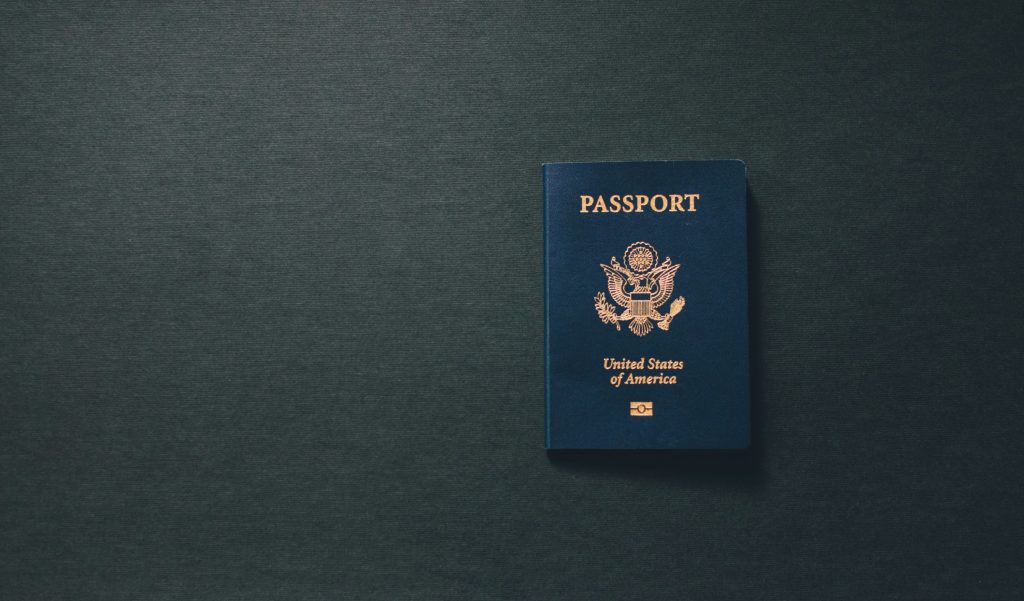
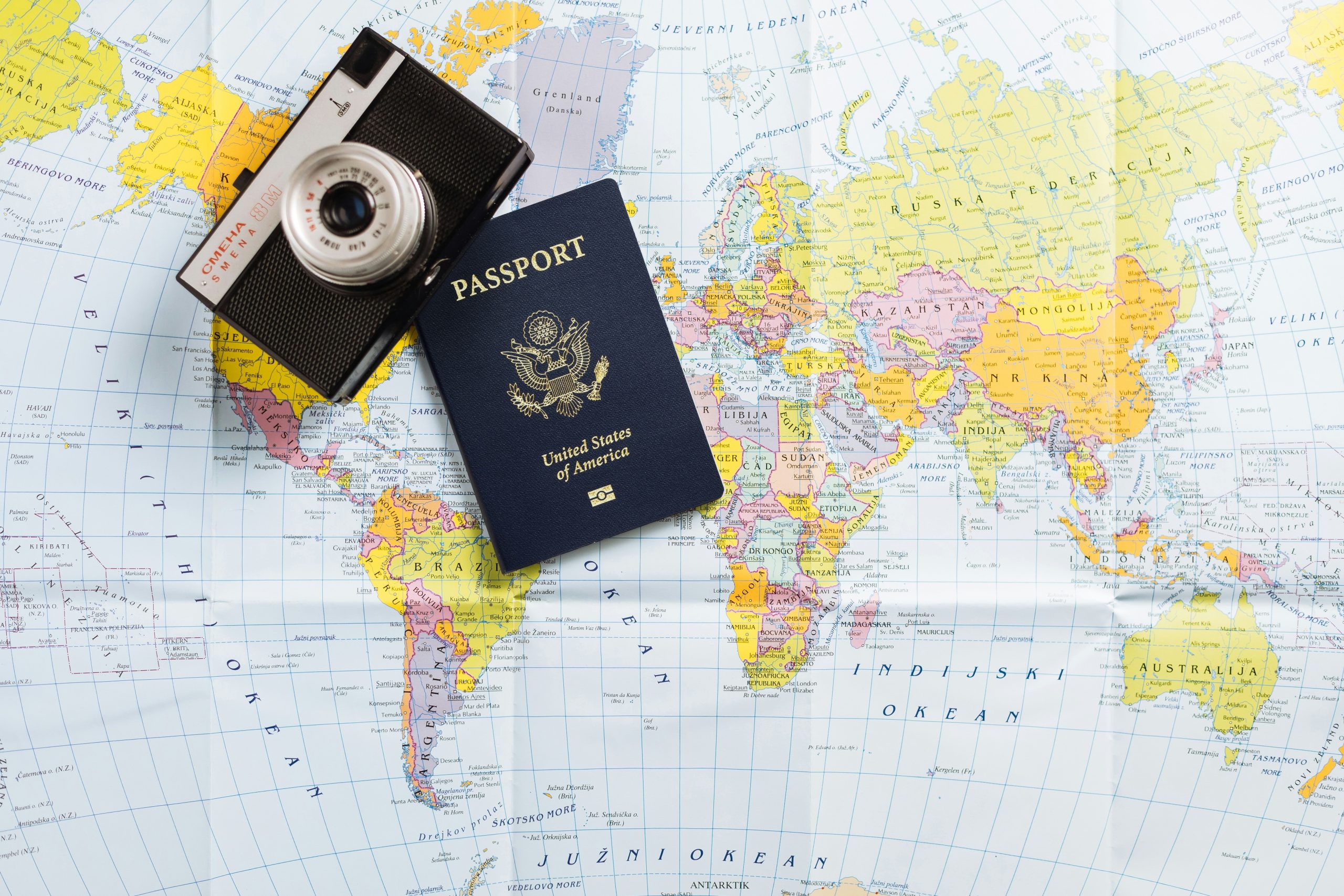
Valid Nigerian passport, with at least six months of validity beyond your intended stay in the US.
DS-160 confirmation page with barcode, it must be printed not on a mobile phone.
MRV fee payment receipt confirming your visa application fee has been paid.
SEVIS I-901 fee receipt, which must be paid before your interview date.
Form I-20, signed by your Designated School Official know every figure and date on this document.
Official admission letter from your US university or institution.
Academic transcripts including WAEC, NECO, university results, and any standardized test scores such as TOEFL, GRE, GMAT, or SAT.
Financial proof such as six months of bank statements, scholarship award letters, or a signed and notarized affidavit of support.
Evidence of ties to Nigeria, which may include property documents, a letter of employment, family obligation documents, or a government scholarship bond with a return clause.
Passport photographs in US visa specification format.
Previous US visa documents, if you have ever held one.
One practical warning: Never present a document you cannot explain verbally. If your sponsor’s bank statement shows a large recent deposit, be ready to clearly explain where that money came from. Unexplained financial spikes are among the most common triggers for intensive questioning and denial at the US Embassy in Nigeria.
Top USA Student Visa Interview Tips for Nigerian Students
1. Demonstrate Strong, Specific Ties to Nigeria
The US Department of State says a 214(b) denial demonstrate non-immigrant failure to convince the consular officer that you will return to Nigeria after completing your studies. Vague statements like “Nigeria is my home” or “I love my country” do not satisfy the legal standard.
What actually works are specific, credible, personal reasons for returning. These might include a clear career path that requires Nigerian or African-based work, a family business you are being prepared to inherit, elderly parents who depend on you financially, a government or institutional scholarship that legally binds you to return, or a signed employment commitment from a Nigerian company contingent on your completing your degree abroad. The more personal, concrete, and verifiable your ties, the more convincing your case.
2. Know Your I-20 Better Than the Officer Does
Your Form I-20 is the single most important document in your application package. Consular officers will frequently read directly from it while asking questions. You must know your exact programme title, your start and end dates, the estimated annual tuition figure, the total cost of attendance, and who is funding your education.
Any inconsistency between your verbal answers and the figures on your I-20 creates an immediate credibility problem that is very difficult to recover from in a three-minute interview. Study your I-20 the way you would study for an examination.
3. Articulate a Clear and Specific Academic Purpose
Generic answers about wanting “a quality education” or “better opportunities” will not satisfy an experienced consular officer. You need to be able to clearly explain why you chose this specific programme, at this specific US institution, at this specific point in your academic or professional life.
This means knowing your department’s strengths, naming specific research facilities, referencing a faculty member whose work is relevant to your goals, or describing a unique curriculum feature or professional certification pathway that your chosen school offers and that is not available at the same standard in Nigeria. Preparation at this level immediately distinguishes serious applicants from unprepared ones.
4. Address Your Finances With Confidence and Precision
Consular officers at the US Embassy in Lagos and Abuja are specifically trained to identify financial inconsistencies. If a parent or relative is sponsoring you, be prepared to name their exact occupation, state their approximate annual income, and explain clearly how they can sustain the costs outlined in your I-20.
If you hold a scholarship, know its official name, the awarding body, the exact amount it covers, whether it is renewable, and what conditions are attached. Approximate answers, hesitation, or an inability to reconcile your stated finances with supporting documents is one of the surest paths to a visa refusal.
5. Always Answer Honestly and Directly
This point cannot be stated strongly enough: never misrepresent facts to a US consular officer. Even small misrepresentations can trigger a permanent bar from US visas under Section 212(a)(6)(C) of the Immigration and Nationality Act, a consequence that follows you for life and cannot easily be reversed.
Answer every question truthfully. Keep your answers focused, direct, and specific. Do not volunteer unsolicited information, but do not withhold facts that are directly relevant to the question being asked. Honesty combined with clear preparation is the single most effective combination in a visa interview.
Common F-1 Visa Interview Questions for Nigerian Students and How to Answer Them
These are the questions Nigerian applicants are most frequently asked at the US Embassy in Lagos and the US Consulate in Abuja, along with guidance on crafting strong, honest, effective responses.
“Which university have you been admitted to, and what will you study?”
State the institution’s full name, your degree level, and your exact programme title. Immediately follow with a specific, compelling reason you chose that particular school, a research centre, a faculty member’s expertise, a unique curriculum structure, or an industry partnership that aligns with your career goals.
“Why are you choosing to study in the United States rather than in Nigeria?”
Be specific and respectful. Reference what your chosen programme offers that is not yet available at the equivalent standard in Nigeria, a particular research infrastructure, a professional accreditation, or a career network that requires international exposure. Avoid broad or dismissive generalisations about Nigerian higher education.
“Who is sponsoring your education, and how much will it cost?”
State the exact figures from your I-20. Name your sponsor, explain their relationship to you, describe their occupation, and reference the bank statements in your folder. If a scholarship is involved, name it precisely and describe its terms. Do not give round, approximate, or inconsistent figures.
“What are your plans after completing your studies in the US?”
This is arguably the most important answer in the entire interview. Describe a specific, believable, and personally grounded plan to return to Nigeria and apply your US qualifications whether through a particular career, industry, company, entrepreneurial venture, or social mission. The more concrete and personal this answer, the more convincingly it demonstrates non-immigrant intent.
“Do you have any relatives currently living in the United States?”
Answer truthfully. If yes, state their immigration status matter-of-factly and then pivot confidently to your reasons for returning to Nigeria, citing your career plans, your family obligations, your community ties. Having a relative in the US is not automatically disqualifying, but it must be addressed head-on rather than deflected.
“Have you ever been denied a US visa before?”
Be completely honest, because the consular officer’s system shows your full visa application history. If you were previously denied under 214(b), briefly describe what has specifically changed since your last application a scholarship you now hold, stronger financial documentation, a clearer career plan, or stronger documented ties to Nigeria without sounding defensive.
Mistakes That Lead to F-1 Visa Denial for Nigerian Applicants
Knowing what not to do is as strategically valuable as knowing what to do. These are the most consistent predictors of F-1 visa denial among Nigerian students.
Giving answers that contradict your DS-160, I-20, or supporting documents is the fastest route to denial. Failing to provide a specific, credible reason to return to Nigeria after graduation accounts for the majority of 214(b) refusals. Presenting financial documents that show sudden, unexplained large deposits signals fabrication. Being vague, evasive, or hesitant about your choice of institution or programme suggests the application is not genuine. Memorising robotic scripted answers that sound rehearsed rather than natural undermines the credibility of every other response. Mentioning any intention to work without authorisation or to extend your stay beyond your visa period is an automatic disqualifier. Finally, arriving with a disorganised stack of documents that creates delay and confusion during an already brief interview creates a poor first impression that is difficult to overcome.
What Happens After Your US Student Visa Interview
If your visa is approved, the consular officer will confirm this verbally at the end of the interview. Your passport will be retained for visa stamping and returned to you and this happens within two to four business days through the courier service you selected when scheduling your appointment.
If you receive a 221(g) administrative processing notice, your application is under additional review. This is not a denial. Respond promptly to any requests for supplementary documents and monitor your case status online. Processing typically resolves within a few weeks, though timelines vary.
If you receive a 214(b) denial, you are legally permitted to reapply. There is no mandatory waiting period, but reapplying quickly without meaningfully addressing the root cause of the original denial rarely produces a different outcome. Take the time to genuinely strengthen your application through stronger financial evidence, clearer documentation of ties to Nigeria, or a more compelling and specific academic narrative before scheduling a new interview appointment.
Core Requirements
- School Acceptance: Get accepted by a SEVP-approved school in the United States. Receive your Form I-20.
- Form DS-160: Complete the online non-immigrant visa application and print the confirmation page.
Essential Documents
- Valid Passport: Must remain valid for at least six months past your planned stay in the U.S.
- Form I-20: Provided by your host institution.
- Financial Proof: Show you can pay for tuition and living costs.
- Visa Photo: Meet the specific digital photo format rules.
The Interview
- Mandatory Step: Most first-time student applicants must attend an in-person interview at the Lagos consulate.
- Preparation: Answer questions clearly about your study plans and ties to Nigeria. Student Visa
Lastly: Your US Study Dream Is Within Reach
The US student visa interview is not designed to frighten you.
It is designed to verify a simple truth: that you are a genuine student, with a genuine academic purpose, and genuine reasons to return home when your studies are complete. When all of those things are authentically true and when you have prepared thoroughly, organised your documents carefully, and practised your answers honestly the interview becomes a straightforward conversation rather than a high-stakes ordeal.
Thousands of Nigerian students successfully go through this process every year. They go on to study at some of the world’s greatest universities, return home with world-class qualifications and global networks, and build careers and enterprises that contribute meaningfully to Nigeria’s future.
Prepare your documents carefully. Know your programme deeply. Speak your truth with calm confidence. The visa is not the destination rather it is the door. You have already earned admission to what lies beyond it.



This Post Has One Comment